

Welcome to Studio Maven
Your partner in Residential Renovations
At Studio Maven, we believe your home should support the way you live while also feeling beautiful and comfortable.
We work closely with homeowners throughout the renovation process, from the earliest feasibility conversations through design and construction. Our approach brings architecture and design together, considering layout, materials, cabinetry, lighting, and fixtures as part of one cohesive vision.
Our role is to help guide the project so the process feels clear and manageable as decisions come up along the way.
This page is meant to be a helpful starting point as you begin thinking about your renovation.
Why Work With Studio Maven?
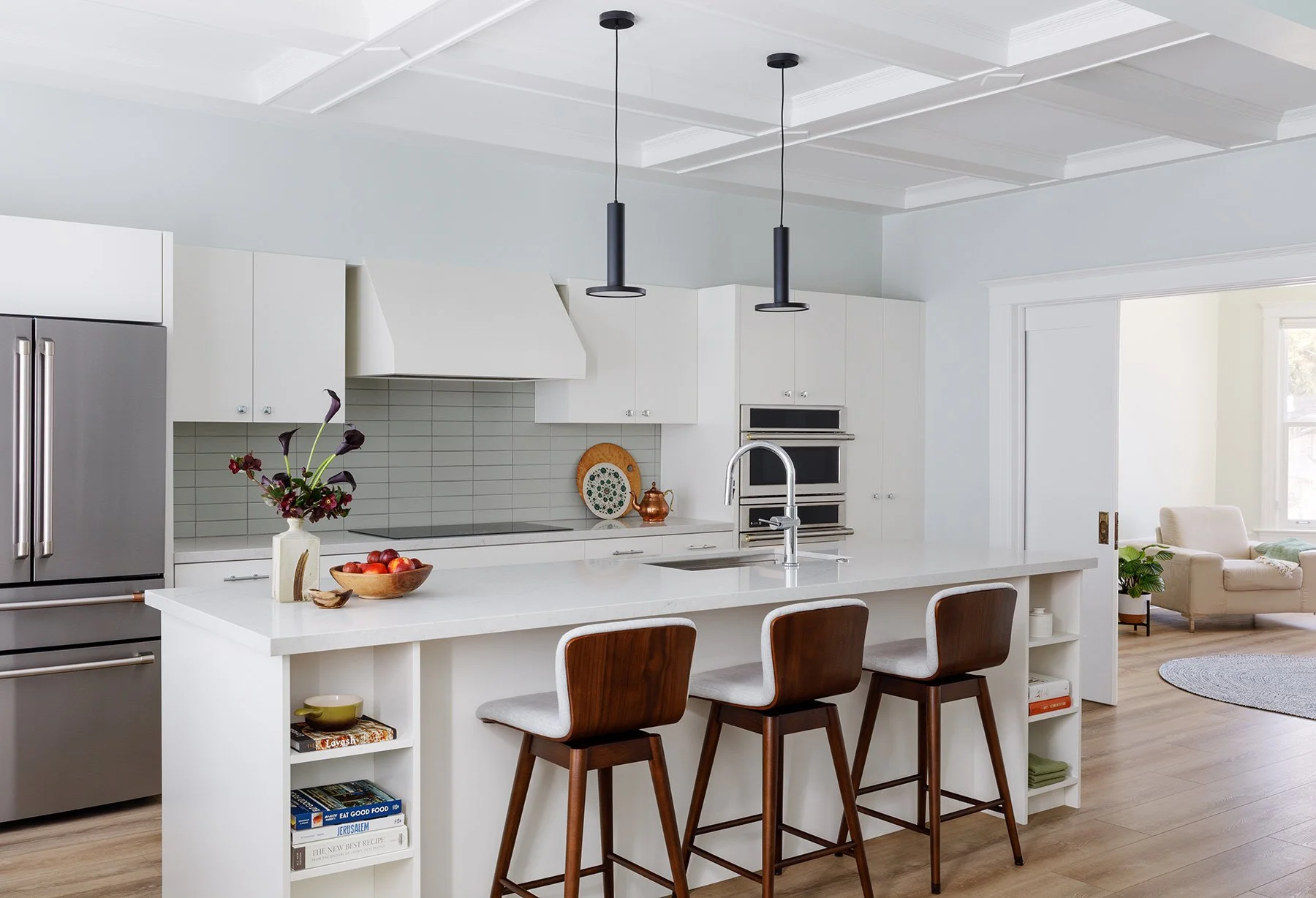
We’re here to ensure a low-stress renovation. Here’s how.
-
Renovations involve a lot of interconnected decisions. Changing the layout of a home affects cabinetry, lighting, materials, and how the space ultimately functions.
At Studio Maven, we design these elements together rather than treating them as separate steps. As the project develops, we work with you to shape the layout, refine architectural details, and guide the key design decisions that bring the space together.
We also coordinate with consultants and contractors along the way, helping keep the project organized and moving forward.
Our goal is simple: a home that works beautifully and feels complete when construction is finished.
-
Renovations involve dozens of decisions, and most homeowners don’t want to manage all of them alone.
Our role is to guide the process while keeping you meaningfully involved in the decisions that matter most. We listen carefully to how you live, what you value in your home, and what you hope the space will become.
From there, we help translate those ideas into a clear design and coordinate with consultants and contractors to move the project forward.
The goal is a process where you feel heard and informed without needing to carry the full weight of managing the renovation yourself.
-
A renovation is a significant investment, and most homeowners want to know the choices being made today will still feel right years from now.
At Studio Maven, we think carefully about how spaces function, how materials will age, and how construction details come together. These decisions shape not just how a home looks when it’s finished, but how it lives over time.
Because much of our work takes place in San Francisco and the Bay Area, we’re also familiar with the realities of renovating older homes and navigating local permitting requirements. This experience helps us anticipate challenges early and guide projects toward thoughtful, lasting solutions.
-
The homes we design are meant to support everyday life.
We pay close attention to how spaces connect, how natural light moves through a home, and how people actually live in their spaces day to day. Small decisions about layout, circulation, storage, and materials can make a home feel dramatically more comfortable and intuitive to use.
Our goal is to create spaces that feel calm, functional, and naturally suited to the people who live there.
-
Renovating homes in the Bay Area comes with its own set of considerations, from older housing stock to local permitting requirements.
Because our work is focused here, we bring a strong understanding of the homes, neighborhoods, and building conditions that shape renovation projects in this region. This experience helps us anticipate challenges early and guide projects through the many practical steps required to move from design to construction.
"Audrey worked closely with us to understand what was important, and suggested many important new ideas that we would never have imagined on our own." — Peter (Client)
•
"Audrey’s guidance helped reclaim unused space, improving efficiency and aesthetics. She made the process accessible from both cost and design perspectives." — Baruch (Client)
•
"Audrey handled all of the plan submitting seamlessly and had good recommendations for structural engineers and as-built drawings." — Ian (Client)
•
"Audrey worked closely with us to understand what was important, and suggested many important new ideas that we would never have imagined on our own." — Peter (Client) • "Audrey’s guidance helped reclaim unused space, improving efficiency and aesthetics. She made the process accessible from both cost and design perspectives." — Baruch (Client) • "Audrey handled all of the plan submitting seamlessly and had good recommendations for structural engineers and as-built drawings." — Ian (Client) •
What the Renovation Process Typically Looks Like
Project Timeline Overview
-
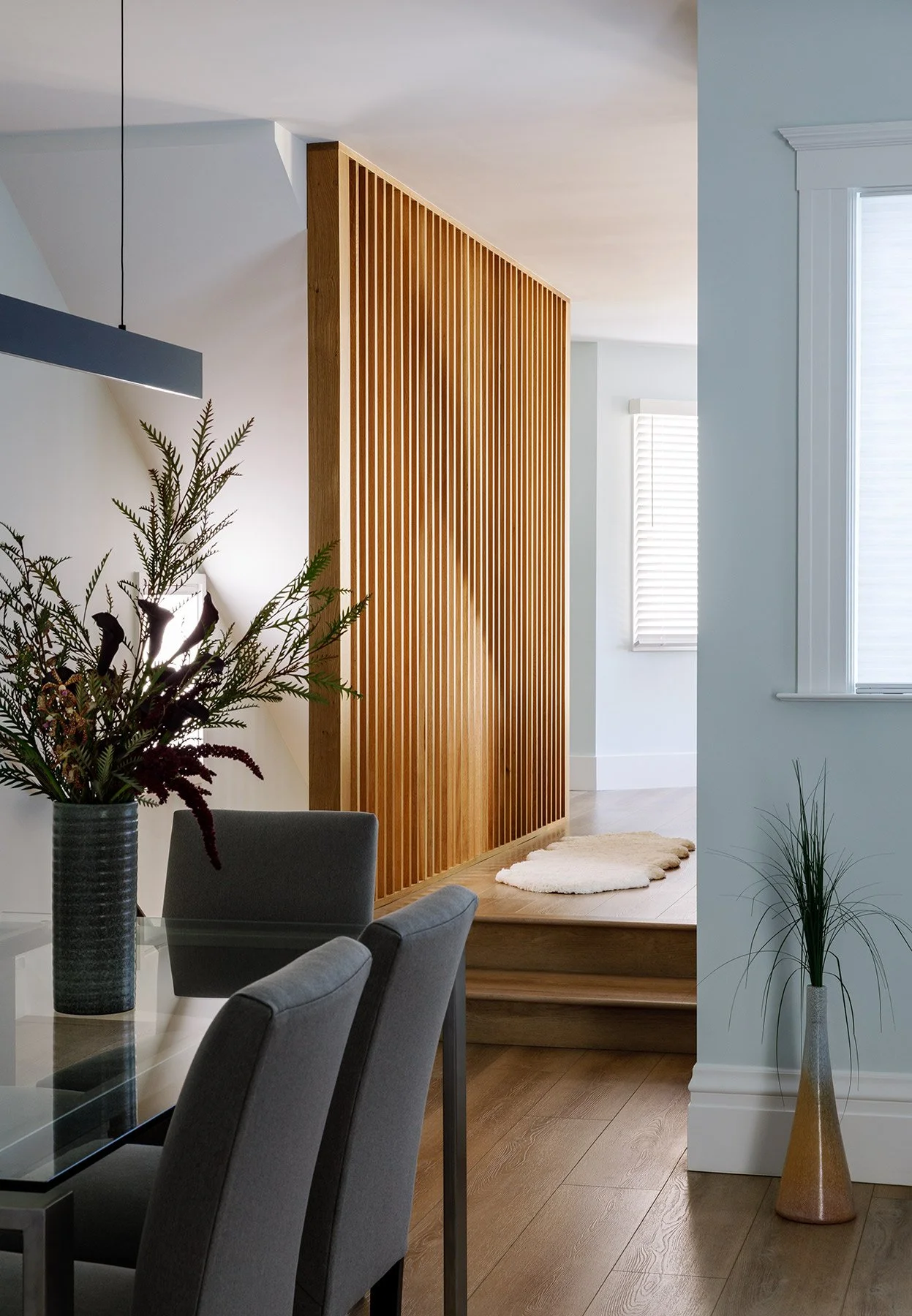
Project Assessment
We begin by getting to know your home and your goals for the renovation. During this phase we document the existing space, review local codes and constraints, and begin exploring early design ideas together.
The goal is to understand what’s possible in the home and align the project with your priorities and budget before moving deeper into design.
Timeframe: 2–3 Months
Key Milestones
- Clarify project goals and priorities
- Document the existing home (as-built drawings)
- Review zoning and code requirements
- Explore early layout and design ideas
- Establish a clear path toward permitting -
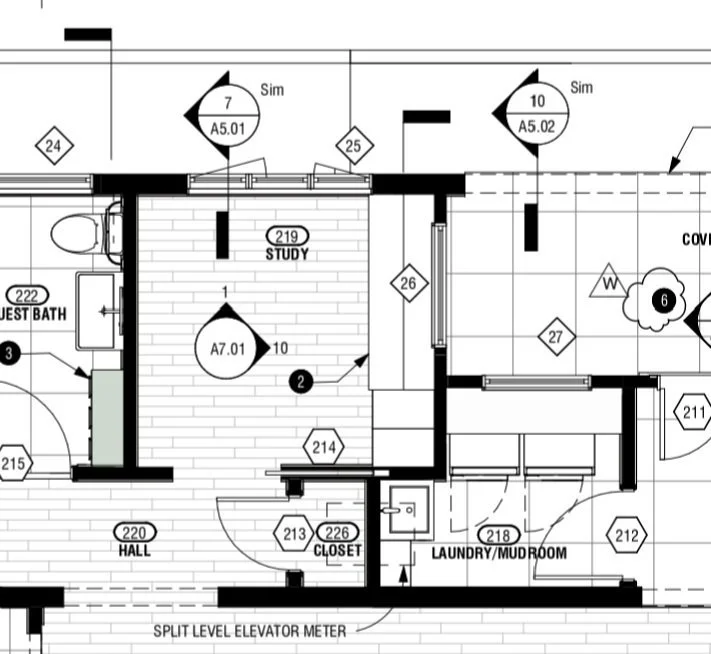
Design Development
With a clear direction established, we begin developing the design in detail and preparing the project for construction.
During this phase we refine the layout and coordinate the architectural elements that shape the space. This includes cabinetry, lighting, materials, and fixtures so the design comes together as a cohesive whole.
Timeframe: 3–4 Months
Key Milestones
- Refine floor plans and spatial layout
- Develop architectural drawings
- Coordinate structural requirements
- Design cabinetry and built-in elements
- Coordinate lighting, materials, and fixtures
- Prepare drawings for permitting -
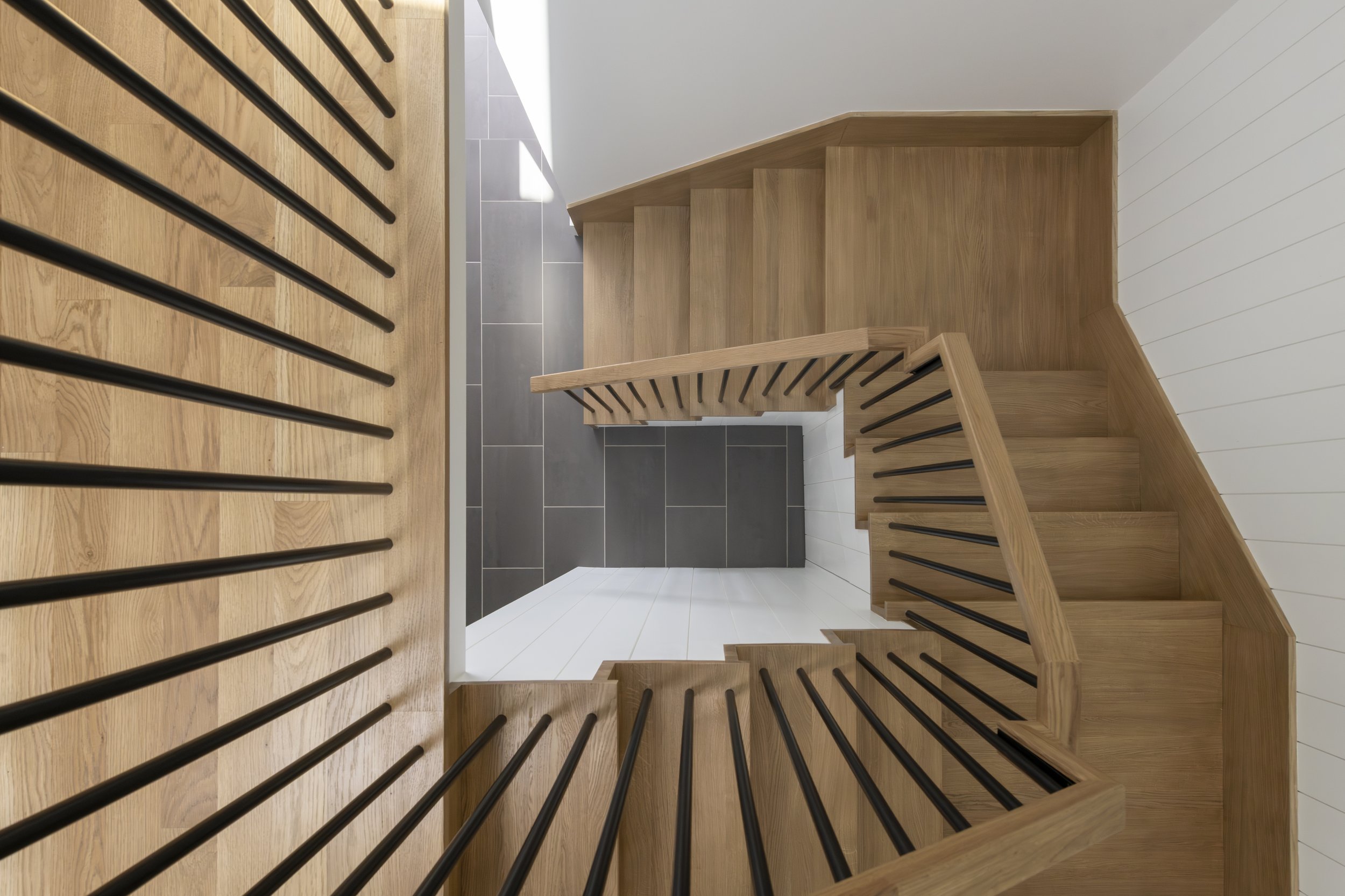
Permitting & Approvals
Once the design drawings are complete, we submit the project to the city for review and permitting.
During this time we coordinate with the planning and building departments, respond to any plan check comments, and work with consultants as needed to move the project toward approval.
Because permitting timelines vary, this phase can take some time, but we help guide the process and keep the project moving forward.
Timeframe: 2–6 Months
Key Milestones
- Submit drawings for city review
- Coordinate with planning and building departments
- Respond to plan check comments
- Finalize construction drawings
- Obtain building permit -
Construction & FFE Coordination
Once construction begins, we stay involved to help guide the project through completion.
During this phase we coordinate final finishes and fixtures, review key installations, and work with the contractor to resolve questions that arise during construction. Our role is to help ensure the design is carried through as intended.
Timeframe: 6–12 Months
Key Milestones
- Construction kickoff meeting
- Finalize finishes and fixtures
- Coordinate cabinetry and custom elements
- Site visits and progress check-ins
- Respond to contractor questions
- Final walkthrough
What Sets Studio Maven Apart
Women-led Studio
Studio Maven is a small, women-led architectural design studio focused on thoughtful residential renovations.
Our work brings together architecture and design as part of one process. We shape the structure of the home while also guiding the key design decisions that influence how the space feels and functions.
Sustainable Practices
We are uniquely focused on sustainable practices such as:
Solar power - Greywater systems - SIPs (Structurally Insulated Panels) - Permeable surfaces - Salvaged materials - Smart home features
Specialized Experience
Over the years, our work with Bay Area homeowners has led us to develop particular experience with:
ADUs - Aging in place - Historic properties - Compact space - Shared spaces/condominiums
Local Knowledge and Experience
Our in-depth understanding of the Bay Area’s local regulations, permitting challenges, and specific architectural needs ensures that your project will avoid delays and stay on track. Whether your home is in San Francisco, Marin, or the East Bay, we know how to get things done efficiently.

Our Process
Most renovation projects follow a similar sequence of steps. What makes the difference is how those steps are approached.
At Studio Maven, we develop the architecture and design of the home together, guiding the many decisions involved in a renovation so the process feels organized and manageable.
Each phase builds on the last, allowing the design to evolve thoughtfully from early planning through construction.
-
The first phase focuses on understanding your home and establishing a clear direction for the project.
We begin by learning how you live in the space today, documenting the existing home, and reviewing local codes and zoning requirements. This allows us to explore design ideas while also confirming that the project is feasible within your priorities and budget.
By the end of this phase, we establish a clear roadmap for moving forward.
Typical work during this phase includes:
Initial project meeting to understand goals and priorities
Field verification and as-built drawings
Review of zoning and building code requirements
Exploration of early layout and design concepts
Development of finish and fixture mood boards
Identification of key materials influencing design decisions
Final feasibility meeting confirming budget and next steps
-
With a direction established, we begin developing the design in detail and preparing the drawings required for construction.
Unlike a traditional architectural process, we develop the architecture and the design details together. Cabinetry, lighting, materials, fixtures, and built-in elements are coordinated alongside the architectural drawings so the design can be clearly understood and built as intended.
During this phase we also prepare and submit the drawings required for city approval.
Typical work during this phase includes:
Development of detailed architectural drawings (plans, sections, elevations)
Electrical and lighting planning integrated with the layout
Coordination with structural engineers and other consultants
Development of cabinetry layouts and appliance integration
Coordination of lighting fixtures, plumbing fixtures, flooring, and tile
Interior elevations and installation drawings
Preparation of the full construction document set
Submission of drawings for city review and permitting
Responses to plan check comments and revisions as required
-
Once construction begins, we remain actively involved to help ensure the project is built as designed.
During this phase we coordinate final finishes and fixtures, review key installations, and work closely with the contractor to resolve questions that arise during construction.
Our role is to help bridge the gap between the drawings and the finished home.
Typical work during this phase includes:
Construction kickoff meeting with contractor and client
Ongoing coordination with contractor during construction
Review of contractor submittals and shop drawings
Active coordination and review of finish and fixture selections
Review of cabinetry, millwork, and custom built-in elements
Coordination of lighting fixtures, plumbing fixtures, and materials
Guidance on installation of key architectural features
Regular site visits to review progress and installations
Clarification of design intent when field conditions arise
Ongoing communication with client during construction
Final walkthrough and completion review

Common Renovation Pitfalls (And How We Help Avoid Them)
Renovating a home involves many moving parts, and a few common challenges tend to cause delays or unexpected costs if they aren’t planned for early.
Our process is designed to anticipate these issues so the project can move forward smoothly.

Late Design Decisions:
Challenge:
One of the most common issues in renovation projects happens when key design decisions are made too late. Things like cabinetry, lighting, fixtures, and materials all affect the architectural layout and construction details.
How We Help:
Because we develop the architecture and design together, many of these decisions happen earlier in the process. This helps prevent redesign during construction and keeps the project moving forward.
Fragmented Design Teams:
Challenge:
Many renovation projects separate architecture and interior design into different teams. When these roles aren’t closely coordinated, important decisions can fall between them, leading to delays, or costly revisions.
How We Help:
At Studio Maven, we integrate architecture and design into one process. This allows the layout of the home and the details that shape the space to develop together, creating a more cohesive result and a smoother project overall.
Aligning Design with Budget:
Challenge:
Many renovation projects run into budget issues when design decisions are made without understanding how they affect construction costs.
How We Help:
Our process focuses on developing the design thoughtfully while coordinating with contractors and consultants so that the project stays aligned with your priorities and budget.
Unexpected Conditions in Older Homes:
Challenge:
Many Bay Area homes were built decades ago, and renovations sometimes reveal surprises once construction begins.
How We Help:
By carefully documenting the existing home and coordinating early with contractors and consultants, we help anticipate potential issues and plan for them in advance. This preparation helps reduce surprises and allows the project to move forward more smoothly if something unexpected arises.
Navigating Permitting:
Challenge:
Permitting timelines can vary widely across Bay Area jurisdictions, and the process can be difficult to navigate without experience.
How We Help:
Because we regularly work within these systems, we help prepare drawings carefully and coordinate responses during city review so the project can move through permitting as efficiently as possible.
Long Lead Times for Materials:
Challenge:
Some of the most important elements of a renovation take time to fabricate and deliver. Custom cabinetry, windows, appliances, and specialty tile can often take several weeks or even months to arrive.
How We Help:
We help identify these items early and coordinate ordering so they align with the construction schedule and avoid unnecessary delays.
Decoding Your Renovation Budget
Understanding how renovation budgets are typically distributed can help clarify where investment goes during a project. While every project is different, most renovation budgets are primarily spent on construction and materials, with design and planning representing a smaller but critical portion of the overall investment.

-
The largest portion of a renovation budget typically goes toward construction. This includes labor, site preparation, materials installation, and the coordination of many trades working together to build the project.
What to Know
Construction costs increase with structural changes, complex layouts, or custom work.
Choosing an experienced contractor is critical to keeping the project organized and on schedule.
-
These elements define how your home ultimately looks and feels. This includes flooring, cabinetry, tile, lighting, plumbing fixtures, and appliances.
What to Know
This part of the budget is flexible and reflects the level of finish you choose.
Because we coordinate these decisions alongside the architectural design, materials and fixtures integrate naturally with the layout of the home.
-
This is where the structure and vision of the renovation are developed. It includes creating the design concept and producing the drawings that guide construction.
What to Know
Thoughtful design early in the process helps ensure construction dollars are spent efficiently.
At Studio Maven, we develop the architecture and the design of the home together, coordinating layout decisions with cabinetry, lighting, and materials from the beginning.
-
Depending on the scope of the project, additional expertise may be required. Structural engineers, surveyors, or other specialists help ensure the project is safe, buildable, and compliant with local requirements.
What to Know
Older homes and structural changes often require engineering review.
Early coordination with consultants helps avoid delays later in the project.
-
Renovation projects typically require approvals from local jurisdictions to ensure that the work complies with building codes and zoning regulations.
What to Know
Permitting timelines can vary widely depending on the city and project scope.
Preparing accurate drawings and documentation early helps streamline the review process.
-
Renovations sometimes reveal conditions that were not visible before construction begins. A contingency helps account for these possibilities.
What to Know
A typical contingency reserve is around 10–15% of the construction budget.
Planning for this early helps keep the project moving forward if unexpected conditions arise.
-
Some renovations may make portions of the home temporarily unusable during construction.
What to Know
Larger projects, particularly kitchens or full-floor renovations, may require temporary relocation.
Planning ahead allows this transition to happen smoothly if needed.
Permitting Guide
What the Process Might Look Like
✺ Frequently Asked Questions ✺
-
We don’t have a contractor in-house. At Studio Maven, we focus on the architecture and design of the home and then work with trusted contractors to build the project.
This approach is commonly called Design-Bid-Build, where the design is developed first and the contractor is selected afterward. Once the drawings are complete, contractors review the project and provide pricing, allowing you to choose the team that feels like the best fit.
Some firms operate under a Design-Build model, where the same company handles both design and construction. By keeping these roles separate, we’re able to focus on thoughtful design while giving our clients transparency and flexibility when selecting a contractor.
In a Design-Build model, the same company provides both the design and construction services under one contract. While this can simplify communication, it can also limit transparency around pricing and reduce flexibility if you want to explore different construction options.
At Studio Maven, we work through a Design-Bid-Build process because it allows us to focus on developing a thoughtful design first, while giving our clients the ability to choose the right contractor and maintain clarity around project costs., the design and construction phases happen separately. You work with an architect first to develop the design, and once the drawings are complete, contractors are invited to price and build the project. This approach allows the design to be developed independently and gives you the flexibility to select the contractor who is the best fit for your project.
In a Design-Build model, the same company provides both the design and construction services under one contract. While this can simplify communication, it can also limit transparency around pricing and reduce flexibility if you want to explore different construction options.
At Studio Maven, we work through a Design-Bid-Build process because it allows us to focus on developing a thoughtful design first, while giving our clients the ability to choose the right contractor and maintain clarity around project costs.
-
Renovating an existing home can sometimes uncover things that weren’t visible at the start, like outdated wiring, aging plumbing, or structural conditions behind walls. Because of this, we typically recommend setting aside about 10–15% of the construction budget as a contingency. This provides flexibility if something unexpected comes up and helps keep the project moving forward without unnecessary stress or delays.
-
It depends on the scope of the work, but for larger renovations we generally discourage clients from living in the construction zone. Active construction can affect safety, daily routines, and the overall pace of the project. When possible, temporarily relocating often makes the process smoother for everyone. We help clients think through this early so you can plan ahead and decide what will work best for your household.
-
Most of a renovation budget is spent on construction. This includes the contractor’s work, materials, and the many trades involved in building the project. These are often called hard costs, and they typically make up the majority of the investment.
A smaller portion of the budget goes toward planning the project. This includes architectural design, permits, engineering, and other professional services needed to develop the design and get approvals from the city. These are often referred to as soft costs.
Understanding this distinction helps clarify how the budget is distributed and why thoughtful planning early in the process is so important.
Soft Costs:
These are the more indirect costs associated with your project, such as design fees, permits, and consultant fees. Soft costs often represent a smaller portion of the budget but are essential for getting the project off the ground and ensuring everything is up to code. -
At Studio Maven, architecture and design are developed together rather than treated as separate services. As we shape the layout and structure of the home, we are also considering the details that define how the space will function and feel, including cabinetry, lighting, materials, and fixtures. Coordinating these decisions early helps create a more cohesive result and allows the project to move more smoothly from design into construction.
-
It depends on the size of the project, but most renovations take about 6–18 months from early planning through construction. Smaller projects can sometimes move more quickly, while larger renovations may take longer due to design complexity, permitting timelines, and construction scope. The pace of the design phase can also depend on how quickly decisions are made. Early in the process we help outline a realistic timeline so you understand how the project will unfold before work begins.
-
Keeping a project on budget starts with good planning. Early in the process we help shape the design around your budget and often coordinate with contractors to understand realistic construction costs. As the design develops, we guide decisions about layout, materials, and fixtures so everything stays aligned with the overall budget. Planning these details early also helps contractors price the work more accurately and avoids costly changes later.
-
You’ll be involved in the key decisions, but you won’t need to manage the project day to day. Most clients participate in a series of design meetings where we review layout options, materials, and fixtures, and we check in periodically as construction progresses. Our role is to coordinate the contractor, consultants, and many moving parts behind the scenes so the process stays organized and manageable.
-
Many of the homes we work on in San Francisco were built decades ago and have architectural details that give them their character. Our goal is usually to improve how the home functions for modern living while keeping the elements that make it special. This often means rethinking layouts, bringing in more light, and updating kitchens and bathrooms while preserving original details where possible.
-
Studio Maven has been working on residential renovations in the Bay Area for over a decade. Most of our projects involve rethinking and updating existing homes, whether that means whole home renovations, reconfiguring kitchens and living spaces, adding primary suites, or designing in-law units and ADUs. Our focus is usually on improving how a home functions for modern living while preserving the character that made it special in the first place.